1. The "Bifurcation" of Global Trade
The world is no longer one giant, open market. We are seeing a shift toward Bifurcation—the splitting of trade into distinct, often competing, political blocs.
The Trend: Instead of following WTO (World Trade Organization) norms, trade is now governed by a "patchwork" of bilateral deals.
The Impact: In 2026, you likely deal with different tech standards, data privacy laws, and customs protocols depending on whether you are shipping within the "Western Bloc" (US-led) or the "Eastern/Global South Bloc."
Strategy: Logistics leaders are building "Neutral Supply Chains" that can operate across these divides without triggering sanctions or secondary tariffs.


2. USMCA 2026 Review & North American "Fortress"
The United States-Mexico-Canada Agreement (USMCA) is currently undergoing its first formal 6-year review (July 2026). This is not just a routine check-up; it's a high-stakes negotiation.
The Conflict: Issues around automotive "Rules of Origin" (the % of a car that must be made in North America) and labor enforcement are creating uncertainty.
The Reaction: To avoid potential tariff spikes during this review, companies have been "frontloading" cargo and moving production from overseas directly into the Mexico-US border "Nearshoring" zones.
3. The Suez/Red Sea "Risk Normalization"
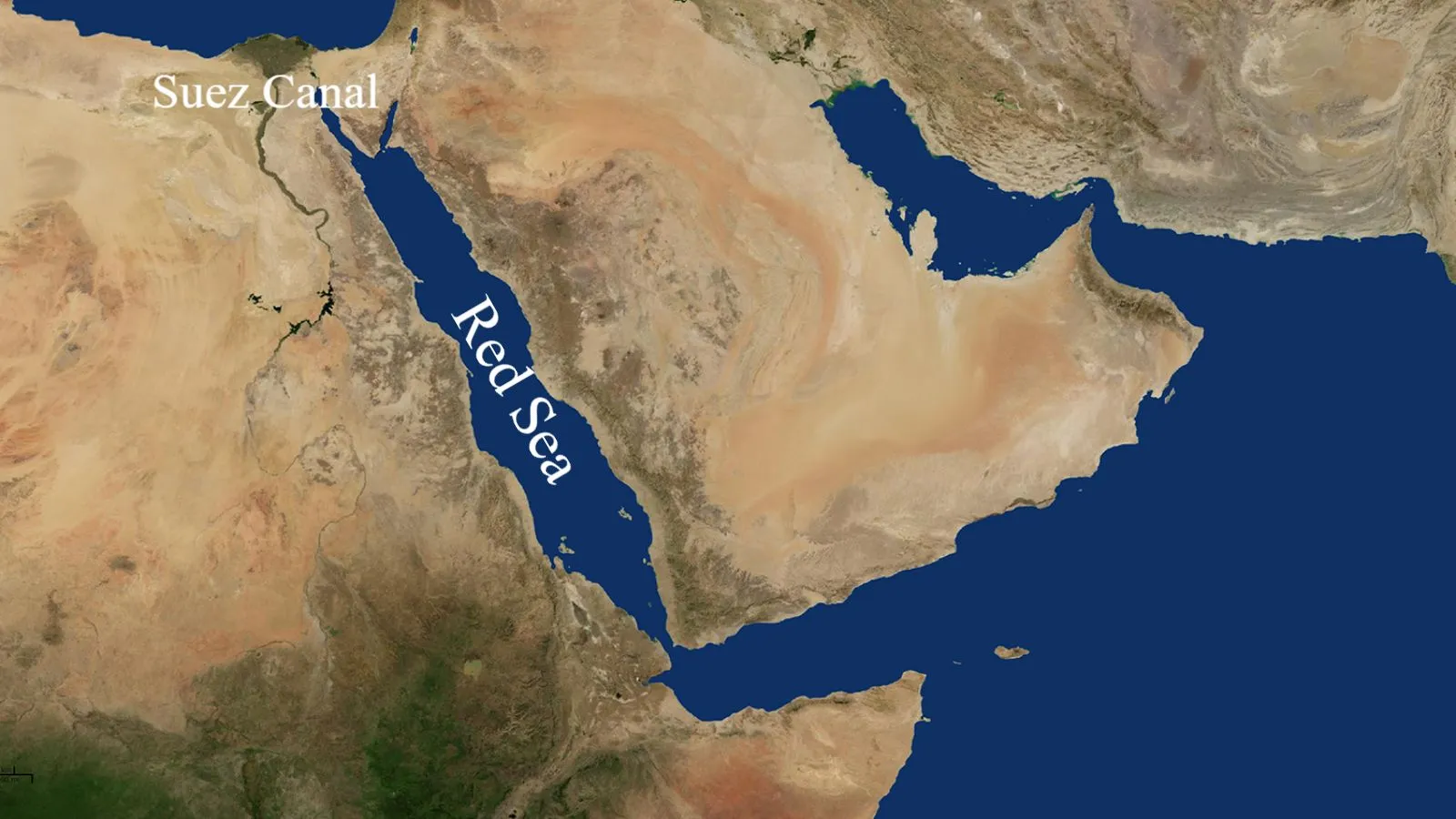
After two years of disruptions, the industry has stopped waiting for the Red Sea to "go back to normal."
The Shift: Carriers now view the Suez Canal as a "Hybrid Option" rather than a default.
The Cost of Resilience: Sailing around the Cape of Good Hope (Africa) is no longer a "contingency"—it's a standard service. This adds roughly 10 days to Asia-Europe routes, which has permanently absorbed about 6-9% of global container capacity.
Operational Reality: In 2026, "Reliability" has replaced "Speed" as the primary KPI. Shippers would rather have a guaranteed 40-day transit than a 30-day transit that might be cancelled or rerouted at the last minute.

4. Resource Nationalism & Critical Minerals
Geopolitics isn't just about where things move, but what is moving. Governments are increasingly treating "Critical Minerals" (lithium, cobalt, rare earths) as national security assets.
The trend: Countries are forming "Critical Mineral Alliances" to bypass traditional dominant suppliers.
Logistics Challenge: This creates highly specialized, high-security supply chains. If you are moving components for EVs or AI chips, you are now dealing with "Muscular Economic Interventionism"—governments telling you exactly who you can and cannot buy from.
In 2026, a logistics manager's most important tool isn't a spreadsheet—it's a map. With the USMCA review in full swing and Red Sea routes permanently 'flagged' for risk, we are no longer just moving freight; we are navigating global policy. The winners of 2026 aren't the ones with the lowest rates, but the ones with the most 'geopolitical muscle.
Don't just react to global shifts—lead through them. Face this situation with confidence and start to offer your customers a premium end-to-end digital experience faster than ever!.